



A compact powder pressing machine is the core production equipment for blush, eyeshadow, face powder and pressed powder compacts. Today's cosmetic factories demand servo driven pressing systems, bottom up pressing technology and multi-cavity mold configurations that deliver uniform density, high output and low powder waste. This article explains how a compact powder pressing machine works, why manufacturers are upgrading from traditional hydraulic presses to servo and PLC controlled powder compression machines, and how to choose between full automatic, semi automatic, pneumatic laboratory and custom mold designs. We share real technical parameters such as 14 tons pressing force, 3 molds per minute production capacity, 9-hole and 15-hole mold options, SS304 stainless steel contact parts, and dust collection systems. Whether you run a private label makeup studio or a large scale cosmetics plant, this compact powder pressing machine guide helps you make a confident purchasing decision.
A compact powder pressing machine, also called a cosmetic powder press machine or powder compression machine, is a specialized press that converts loose cosmetic powder into solid, compacted cakes. The machine fills a precisely weighed amount of powder into an aluminum pan or mold cavity, then applies controlled pressure through a punch to form a firm powder cake with a smooth surface. The finished compact must withstand shipping, handling and daily consumer use without cracking, crumbling or producing excess dust.
The pressing process involves four key stages: powder feeding, mold filling, pressing and ejection. In a servo driven powder press, a servo motor controls the ram position, pressing speed and dwell time with high repeatability. In a hydraulic powder pressing machine, oil pressure generates the compacting force, typically ranging from 6 tons for semi automatic laboratory models to 15 tons for industrial production lines. The mold system is equally important: a 9-hole or 15-hole eyeshadow press can produce multiple pans in a single stroke, while a 4 color powder press fills and presses several color blocks into one compact.
Modern machines integrate PLC touch screen control, adjustable pressure and speed settings, and optional dust collection systems that capture loose powder and recycle it back into production. Contact parts are commonly manufactured from SS304 stainless steel to meet cosmetic industry hygiene requirements. From a pneumatic laboratory press for R&D sample making to a full automatic blush powder pressing machine producing 3 molds per minute, the compact powder pressing machine family covers every stage of cosmetic powder product development and mass production.
The table below summarizes the main compact powder pressing machine configurations available for cosmetic manufacturers today, helping you match each machine type to your production goals.
| Machine Type | Best For | Key Parameters |
|---|---|---|
| Full Automatic Blush Powder Press | Mass production of face powder and blush | 3 molds/min, 12 tons, 6 pcs/mold |
| 15 Holes Eyeshadow Press | Eyeshadow palette production | 15 pcs/stroke, 8 tons |
| Semi Automatic 9 Holes Press | Small and medium batches | 9 holes aluminum mold, 6 tons |
| 4 Color Powder Press | Multi-color and gradient compacts | 4 color blocks, 10 tons |
| PLC Controlled Compacting Line | Flexible production lines | 5-15 s/mold, 15 tons |
| Pneumatic Laboratory Press | R&D sample making | 4-7 kg/cm2 air, 3 tons |
Producing consistent powder compacts is harder than it looks. Manufacturers using outdated pressing equipment face several familiar pain points:
A modern servo driven bottom up compact powder press solves these problems through four core advantages. First, precision control: servo and PLC systems adjust pressing force and speed for each powder formula, producing repeatable compact quality across every batch. Second, production efficiency: full automatic and multi-cavity machines reach 3 molds per minute with 6 to 15 pcs per stroke, multiplying output without adding labor. Third, formula flexibility: one machine handles pressed powder, blush, eyeshadow, face powder and foundation, so brands can diversify product lines without buying new equipment. Fourth, clean and safe operation: built-in dust collection systems recycle powder, keep workshops clean, and dual-hand safety controls protect operators.
For growing cosmetics brands, upgrading to a PLC controlled compacting production line also improves traceability and process consistency, which matters when supplying international retail chains and private label programs. In short, the right powder pressing machine is not an expense; it is a direct driver of product quality, production capacity and brand reputation.
Choosing the right compact powder pressing machine depends on your product portfolio, batch size and factory layout. Here is how different configurations fit real industrial scenarios.
For factories running continuous blush and face powder orders, a full automatic blush powder pressing machine with 3 molds per minute output and 6 pcs per mold capacity is the workhorse. The servo driven system maintains stable pressing pressure up to 12 tons, and automatic feeding, pressing and ejection cycles reduce manual handling. Operators simply monitor the control panel, making it realistic for one person to manage the entire line.
Eyeshadow palettes require either multi-hole pressing or multi-color filling. A 15 holes eyeshadow powder pressing machine presses 15 small pans in a single stroke, ideal for palette assembly lines. For gradient or multi-color compacts, a 4 color powder pressing machine fills and presses four color blocks into one pan, creating the attractive marbled or segmented designs that drive retail sales. Brands that want logos or patterns on the powder surface should choose a custom mold powder pressing machine with embossed pattern capability.
Cosmetic laboratories and startup brands need fast sample turnaround. A pneumatic powder pressing machine with 4 to 7 kg/cm2 adjustable air pressure and a compact bench footprint lets formulators test different compact hardness levels in minutes. For small batch production, a semi automatic eyeshadow powder pressing machine with a 9-hole aluminum mold balances cost and efficiency, and its simple lever operation means new employees can be trained in hours.
Factories exporting to strict markets should prioritize machines with SS304 stainless steel contact parts and built-in dust collection systems. Stainless steel prevents contamination and simplifies cleaning, while dust collection captures loose powder at the pressing station, recycles it, and keeps the workshop compliant with environmental and occupational safety requirements.
When comparing machines, pay attention to five technical parameters: maximum pressure (6-15 tons), production capacity (molds per minute or pcs per stroke), mold capacity and cavity size, drive system (servo, hydraulic or pneumatic), and control system (manual, semi automatic or PLC touch screen). Also verify the machine dimension and weight against your workshop layout, and confirm the voltage configuration (220V single phase or 380V three phase) matches your local power supply.
A complete powder pressing line can combine several machines: mixing equipment prepares the powder formula, the pressing machine forms the compacts, and downstream filling and packaging equipment completes the product. Because every formula behaves differently, choose a supplier that supports customized mold configurations and provides guidance on pressing parameters for different powder textures.
A servo driven powder press uses a servo motor to control ram position, speed and dwell time with high repeatability, ideal for multi-formula production. A hydraulic press generates force through oil pressure, offering high tonnage at lower cost. Many modern machines combine both technologies.
A 15 holes machine presses 15 eyeshadow pans in a single stroke. With a cycle time of roughly 10 to 15 seconds, output reaches about 60 to 90 pcs per minute depending on operator speed and powder characteristics.
Yes. Compact powder pressing machines support multiple powder formulas. By adjusting pressing pressure, speed and mold configuration, the same machine can produce blush, eyeshadow, face powder, pressed powder and foundation compacts.
Look for dual-hand start buttons, protective covers, safety photocells and emergency stop switches. Dust collection systems also protect operator health by capturing airborne powder during the pressing cycle.
SS304 stainless steel contact parts prevent contamination, resist corrosion and are easy to clean, meeting cosmetic industry hygiene standards. This is essential for factories exporting to markets with strict quality and safety regulations.
Yes. We manufacture custom aluminum molds according to product size, pan shape and cavity configuration, and support embossed patterns and logos on the powder surface to enhance brand recognition for your compacts.
The compact powder pressing machine has evolved from a simple hydraulic press into a precision, multi-function production platform. Whether you need a full automatic blush powder press for mass production, a 15 holes eyeshadow press for palette lines, a pneumatic laboratory press for R&D, or a custom mold machine for branded compacts, the right equipment directly improves product quality, output and factory cleanliness.
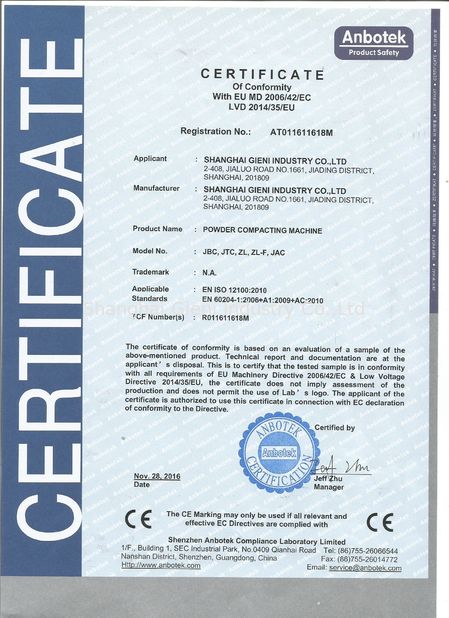
Ready to upgrade your powder pressing line? Contact us today for a free consultation, machine quotation and customized mold proposal. Our engineers will recommend the best compact powder pressing machine configuration for your products, and we support factory inspection, operator training, spare parts supply and after-sales service worldwide. Every machine is CE certified, tested before delivery, and packed in sea-worthy wooden cases for safe international shipping.
Contact Person: Mrs. Joan.WU
Tel: 8613482060127


 English


